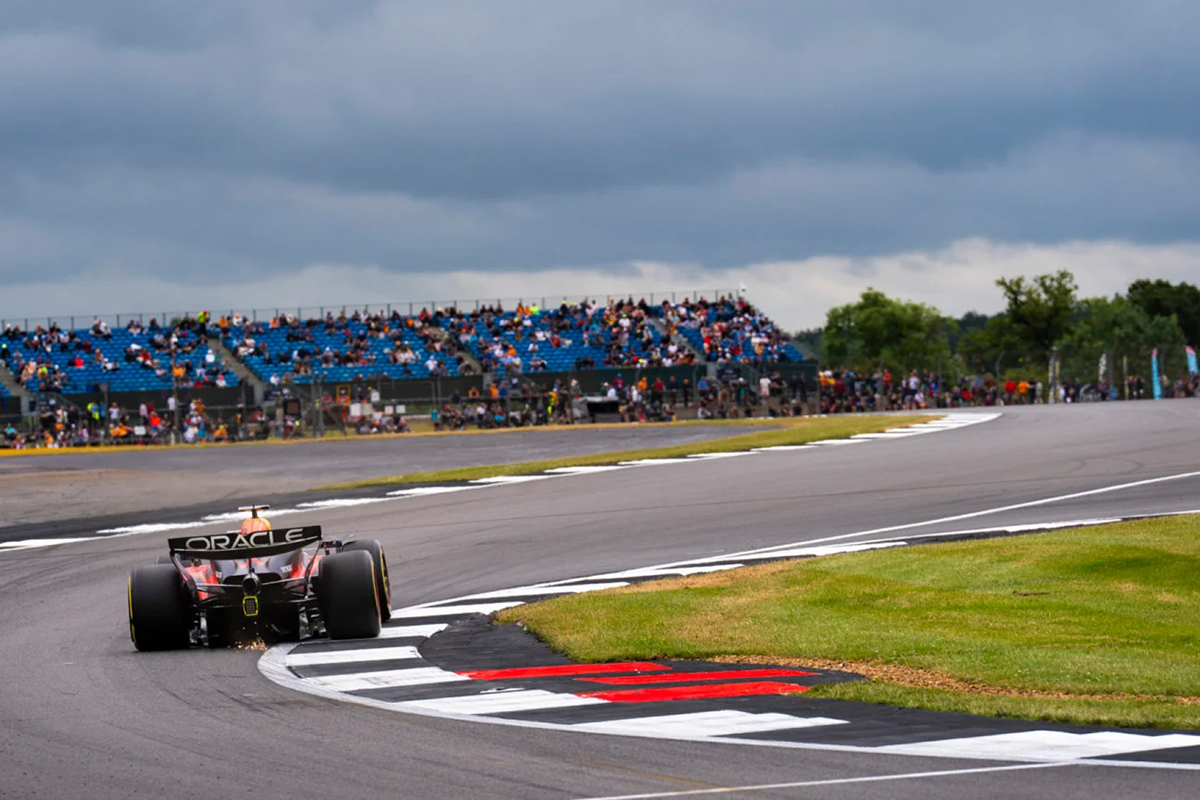
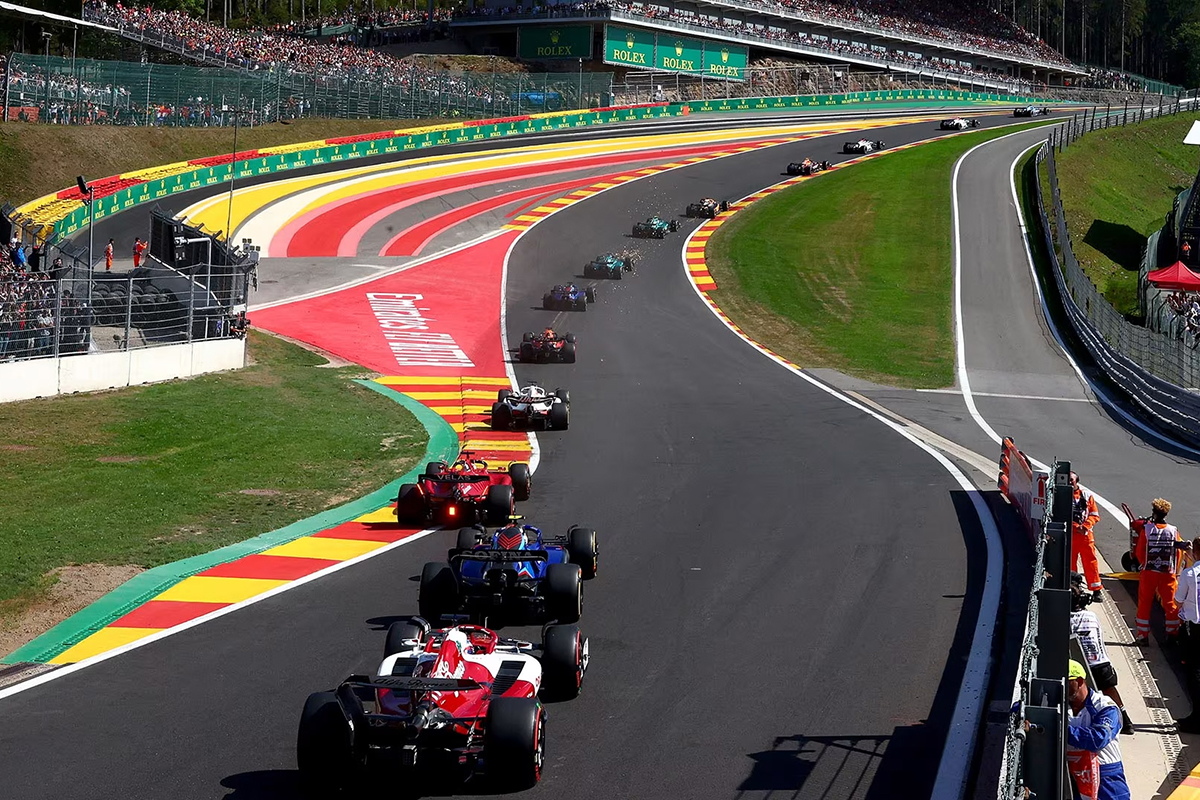
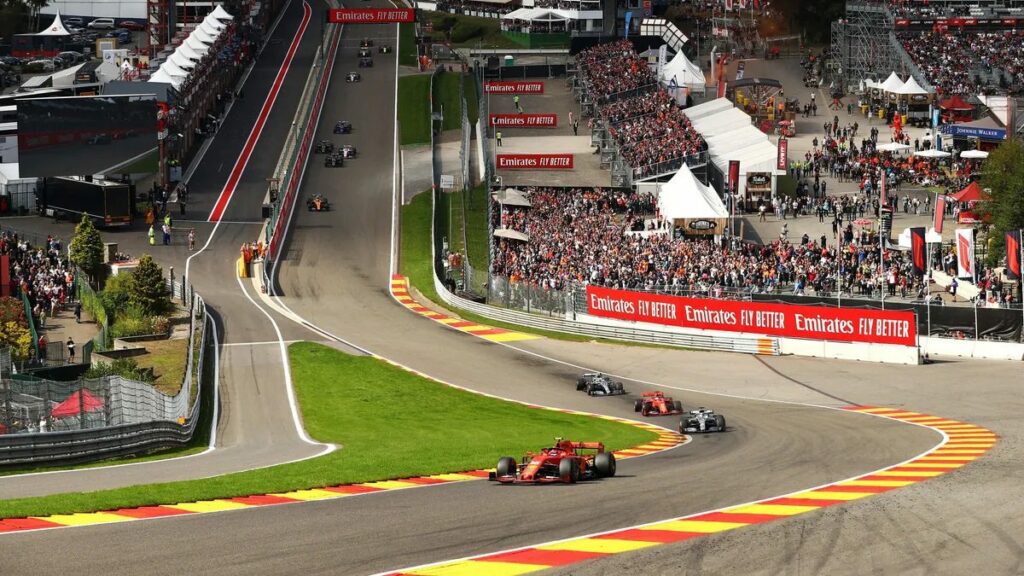
Copse Corner at Silverstone is a blisteringly fast right-hander where Formula 1 drivers push the limits of grip and bravery, often taking it flat out in qualifying with barely a lift.
Turn Type: Fast right-hander
Challenge: Taken flat-out or nearly so; pushing the limits of bravery and tire grip.
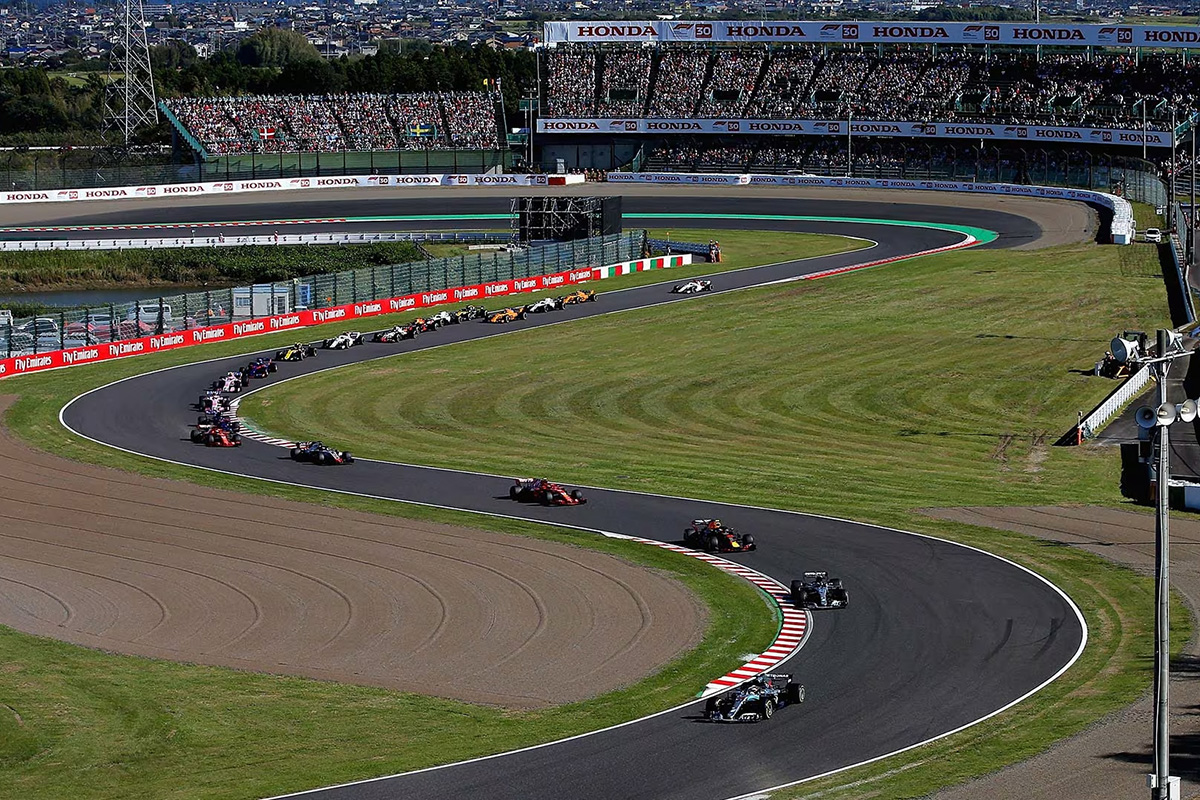
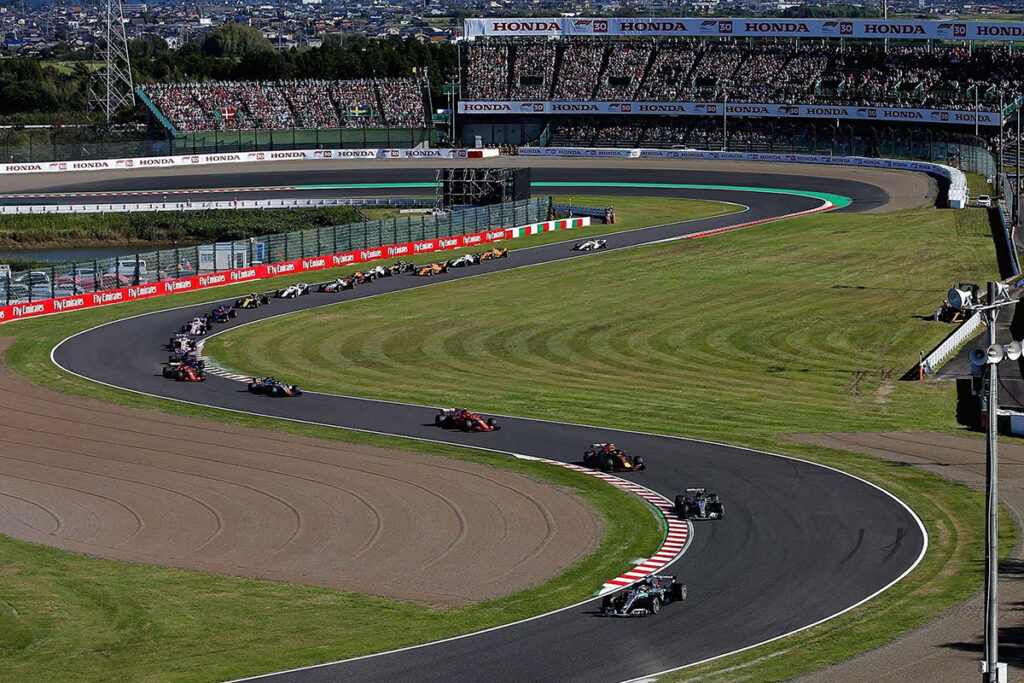
130R at Suzuka is a legendary high-speed left-hander taken at nearly full throttle, demanding absolute commitment and precision from drivers as they race through one of Formula 1’s most iconic corners.
Turn Type: High-speed left-hander
Challenge: Taken near flat-out; one of the fastest corners on the calendar with unforgiving runoff.
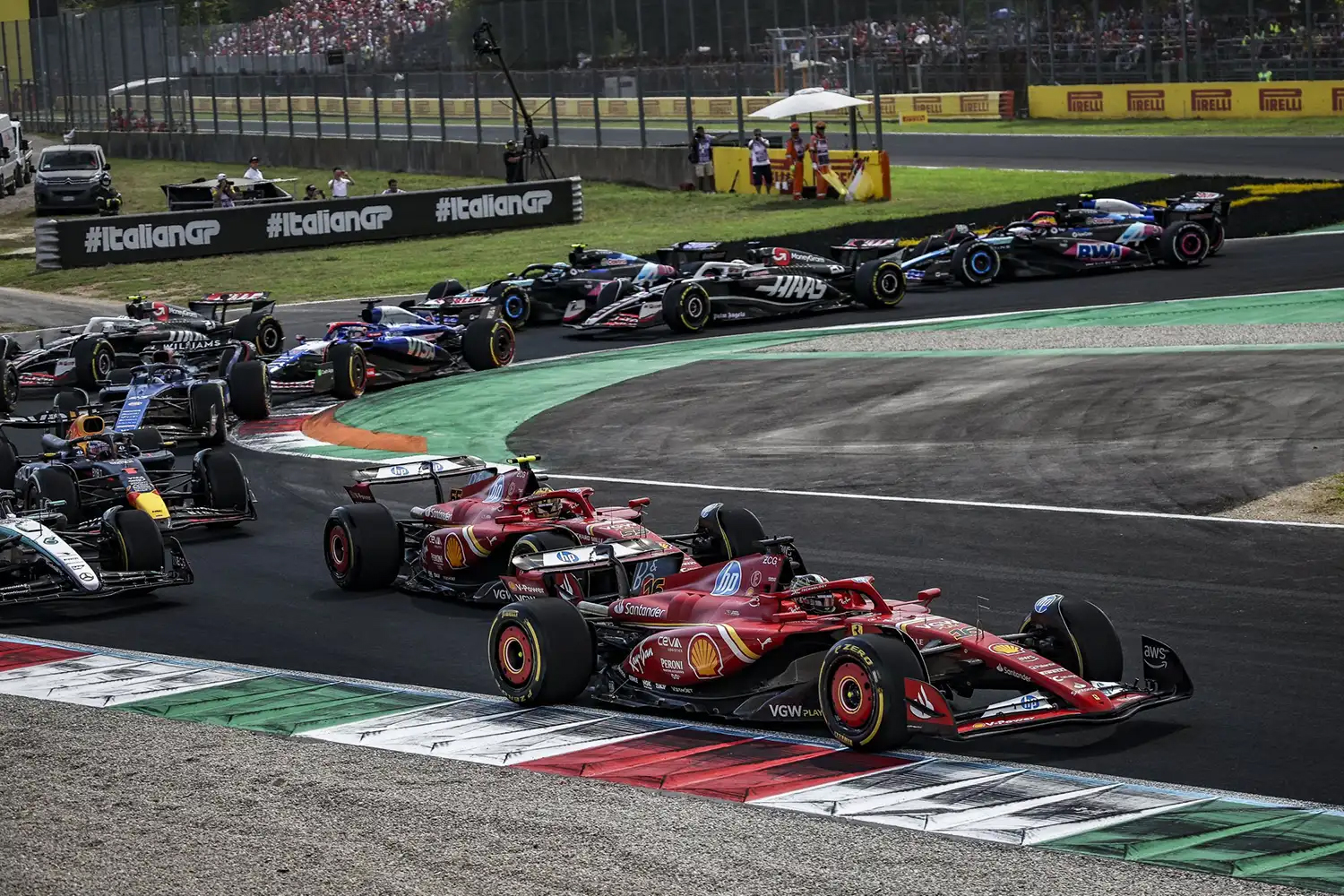
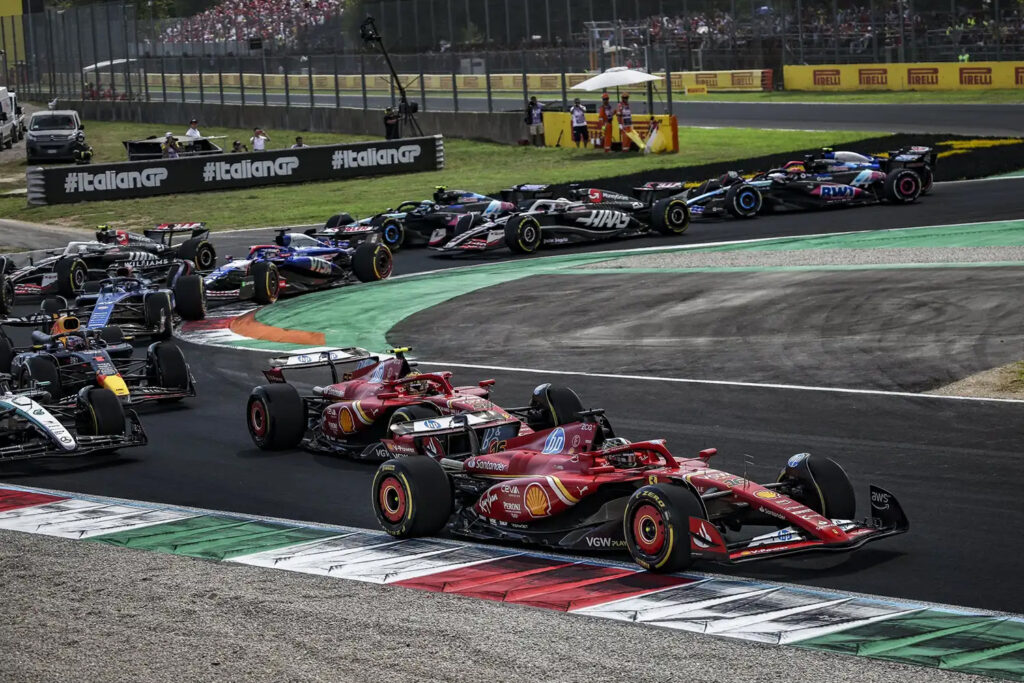
The Ascari Chicane at Monza is a fast, technical sequence of corners that tests a driver’s precision and balance as they navigate high-speed changes in direction.
Turn Type: Fast chicane
Challenge: High-speed entry and quick direction changes; exit crucial for straight-line speed. Small mistakes ruin lap time or send you into the gravel.
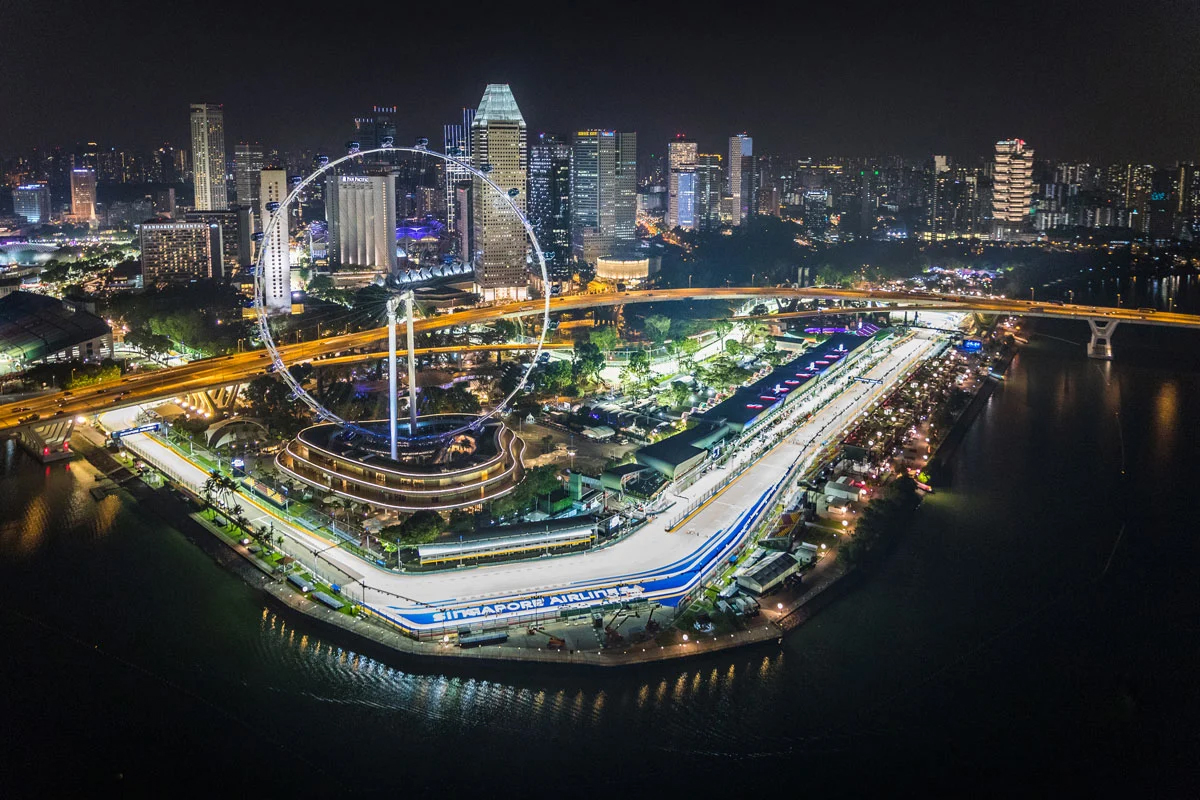
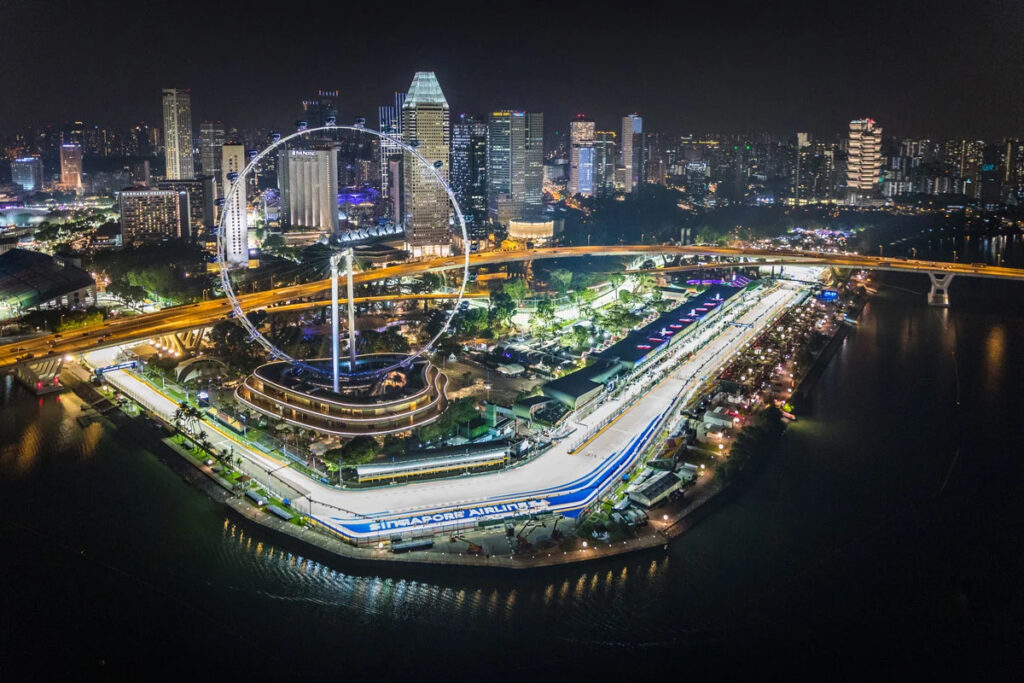
Turn 15 at the Singapore Grand Prix is a tight left-hander that challenges drivers to brake late while avoiding the close walls of the Marina Bay Street Circuit.
Turn Type: Tight left-hander
Challenge: Narrow, bumpy, and a common crash site; nighttime humidity adds to difficulty.
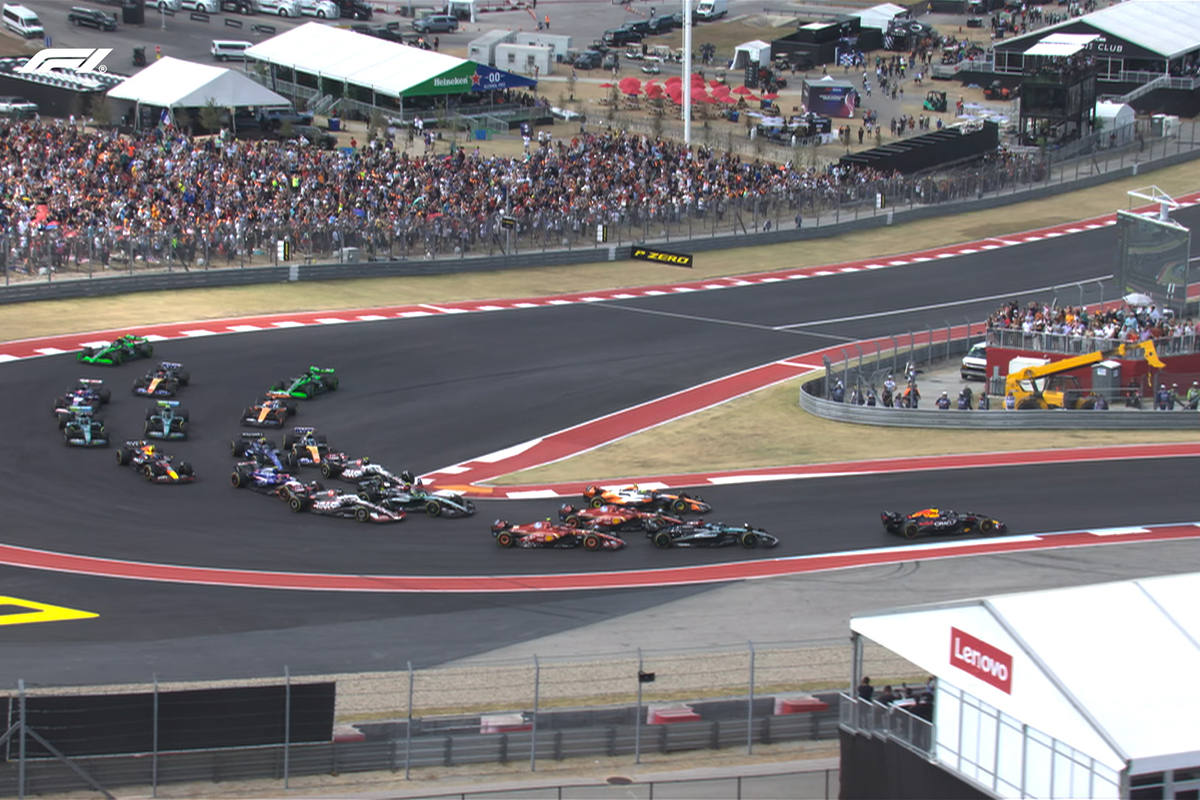
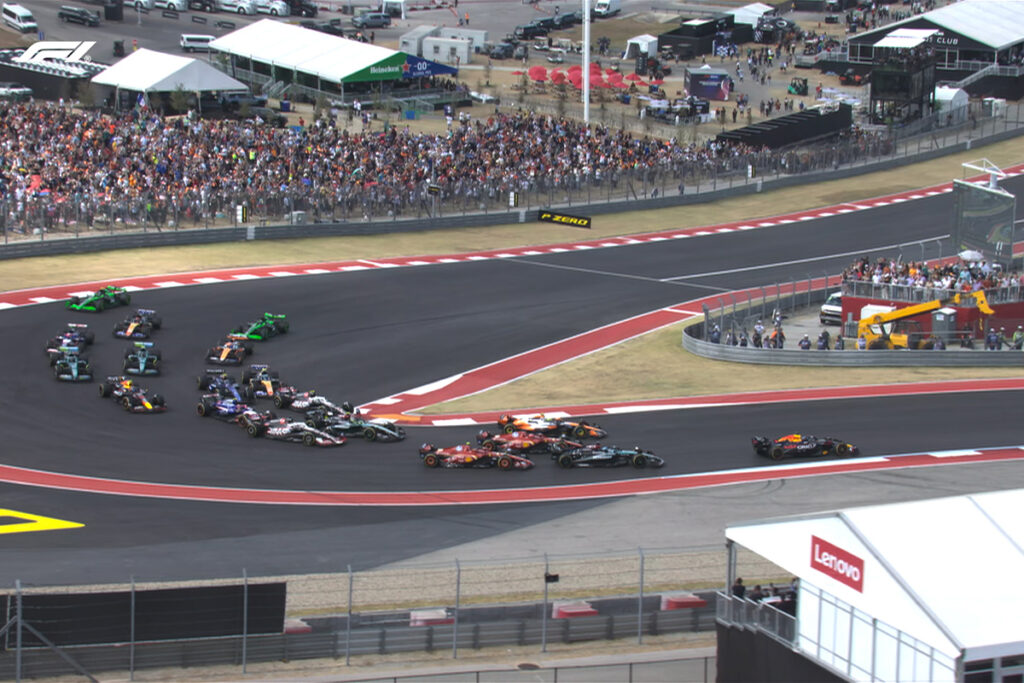
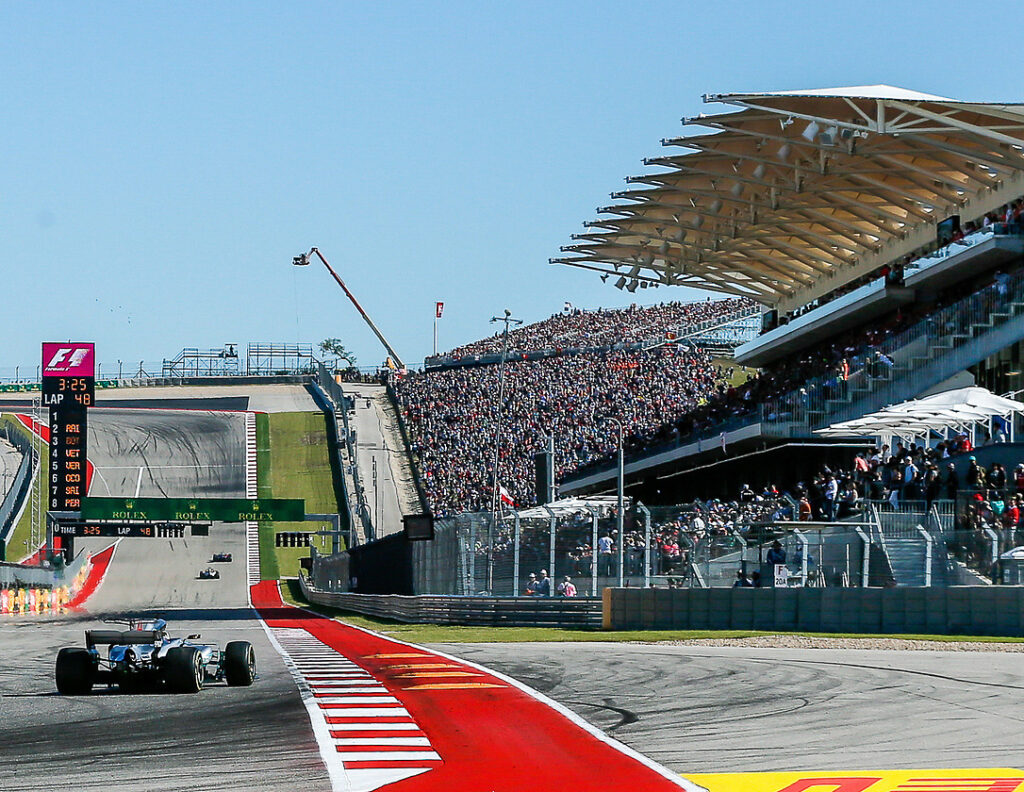
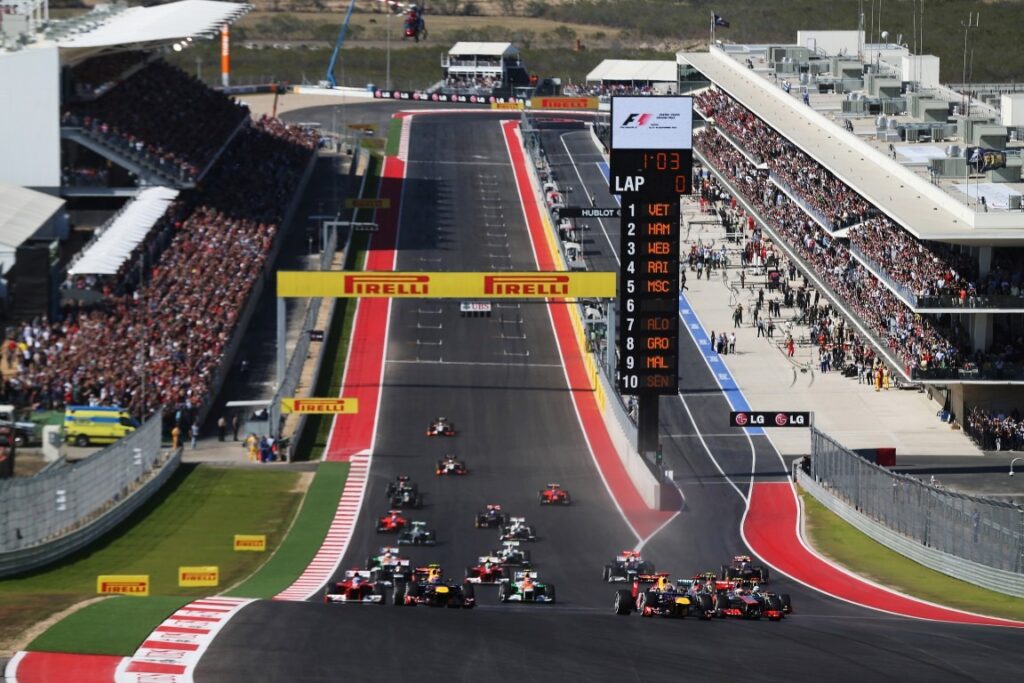
Turn 1 at the Circuit of the Americas (COTA) in Austin, Texas, is one of the most distinctive and challenging first corners in Formula 1. It features a dramatic 133-foot (40-meter) elevation change leading into a tight, uphill left-hand hairpinwith a blind apex. This unusual geometry makes it both physically and technically demanding for drivers, especially at race start when the entire field funnels into a narrowing entry.
Turn Type: Sharp left uphill hairpin
Challenge: Blind apex after steep uphill braking zone; wide entry tempts risky divebombs, making it unpredictable.
The steep incline allows for heavy, late braking, but because the apex is completely blind from the cockpit, drivers must rely on instinct and reference points rather than sight. The wide track invites multiple racing lines, often leading to bold dive-bombs and unpredictable overtakes. This has made Turn 1 the scene of many spectacular starts, side-by-side battles, and occasional collisions.
The challenge doesn’t end with the corner itself—getting the exit right is crucial for the sweeping high-speed Turns 2 through 6 that follow. Too aggressive on entry, and drivers risk poor traction or track limits penalties on exit. Whether in qualifying or during wheel-to-wheel racing, Turn 1 at COTA demands confidence, timing, and absolute precision, making it one of the most unique and talked-about corners on the F1 calendar.
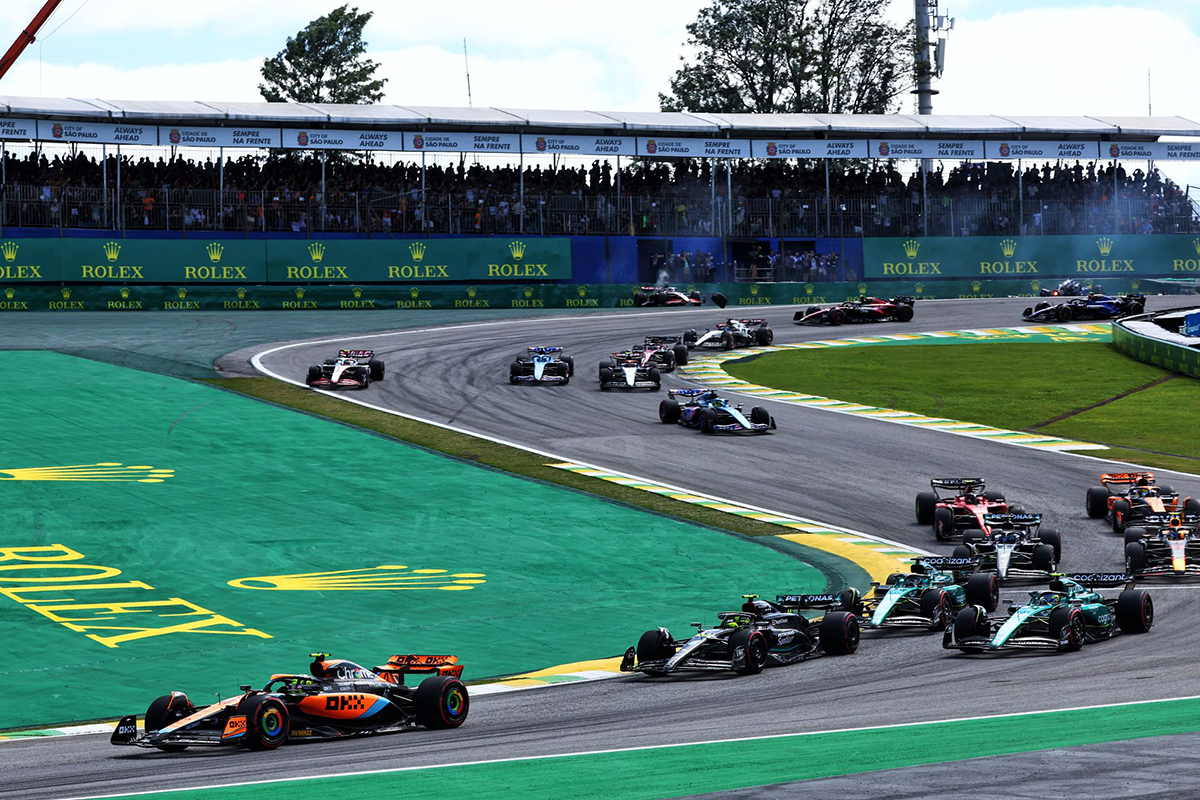
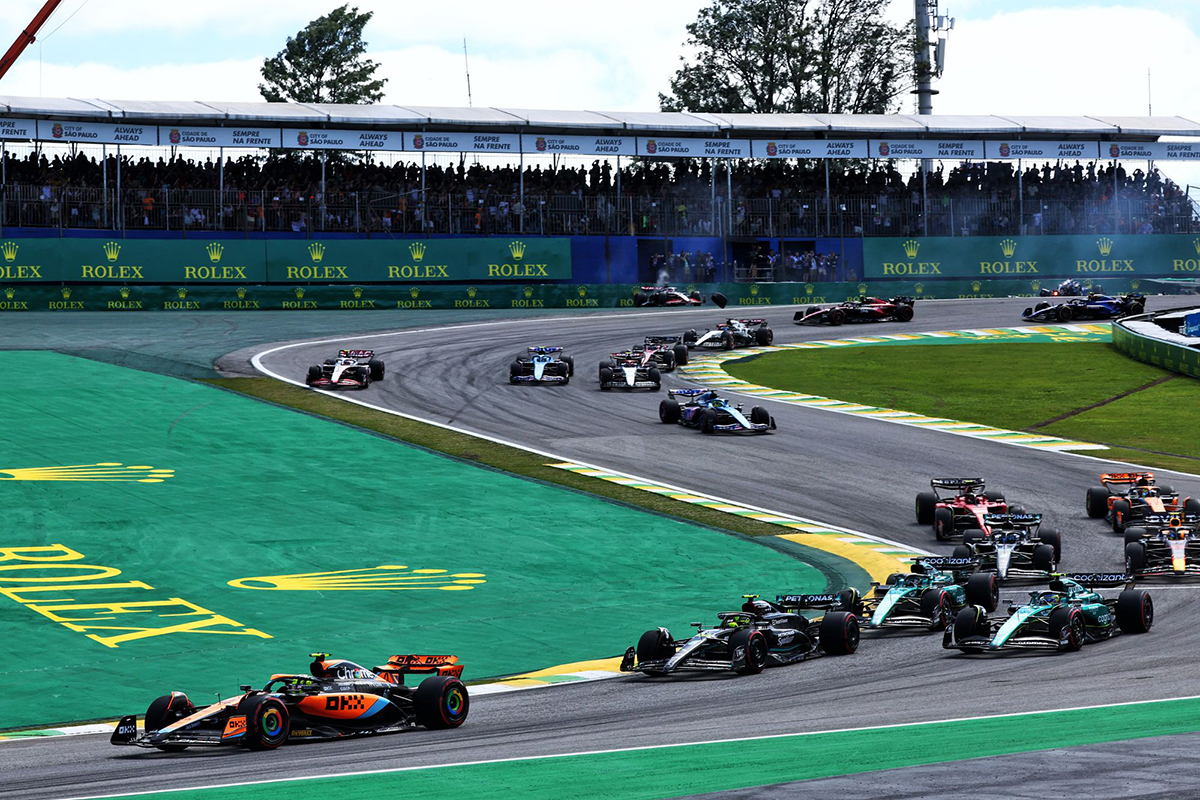
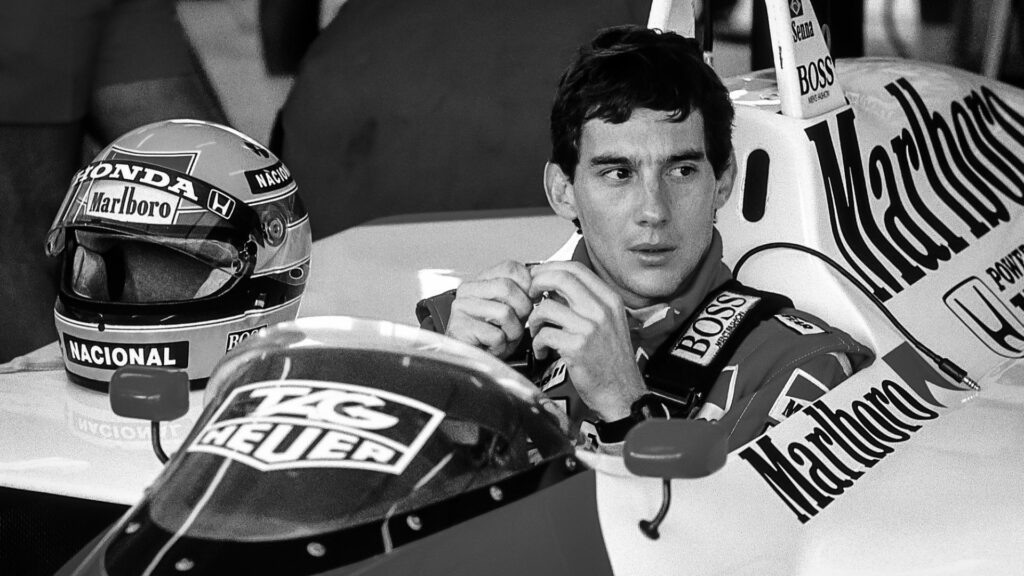
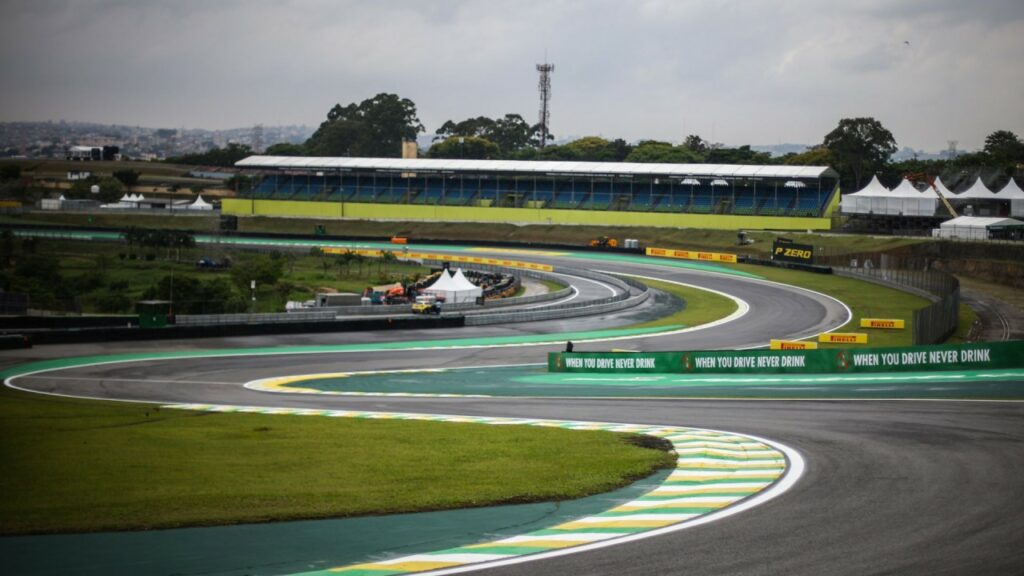
The Senna S at Interlagos, officially Turns 1 and 2, is one of the most iconic and technically challenging corner sequences in Formula 1. Named after Brazilian legend Ayrton Senna, this complex begins the lap at the Autódromo José Carlos Pace and plays a key role in both qualifying and race strategy.
Legendary Brazilian Formula 1 three-time world champion Aryton Senna.
Drivers approach the Senna S at high speed down the main straight before braking hard into Turn 1, a sharp left-hand corner that quickly transitions into Turn 2, a right-hand curve with a tricky downhill exit. The corner demands precision, as drivers must brake late while steering into the turn—making the car highly unstable and prone to lockups or oversteer. The immediate change in direction requires excellent balance and throttle control.
Turn Type: Downhill chicane
Challenge: Heavy braking from high speed, immediate change of direction; key overtaking point.
The exit of Turn 2 is just as crucial, as it leads onto the Reta Oposta straight—any mistake compromises acceleration and opens the door to overtaking. In wet or mixed conditions, the downhill camber adds an extra layer of difficulty, increasing the risk of losing grip. The Senna S is also a prime overtaking zone, but with limited space and aggressive braking, it often leads to wheel-to-wheel battles or contact. It’s a corner that punishes hesitation and rewards bravery.
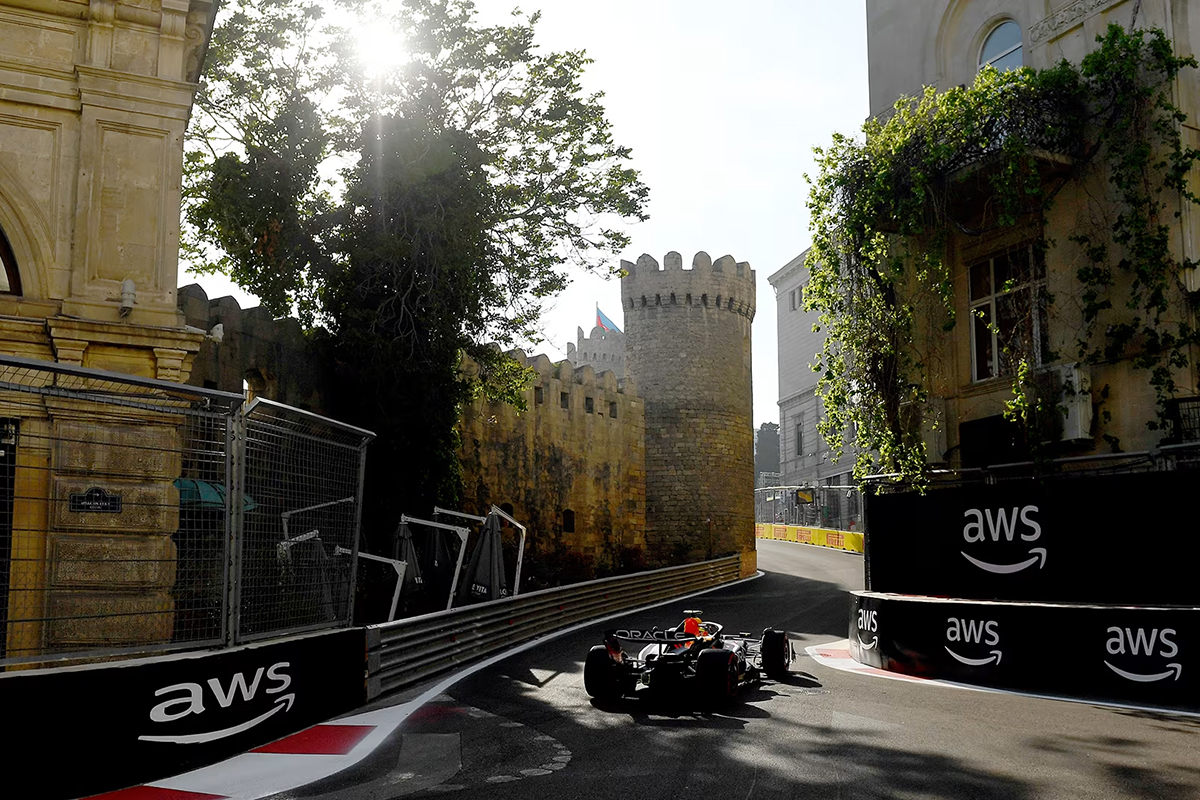
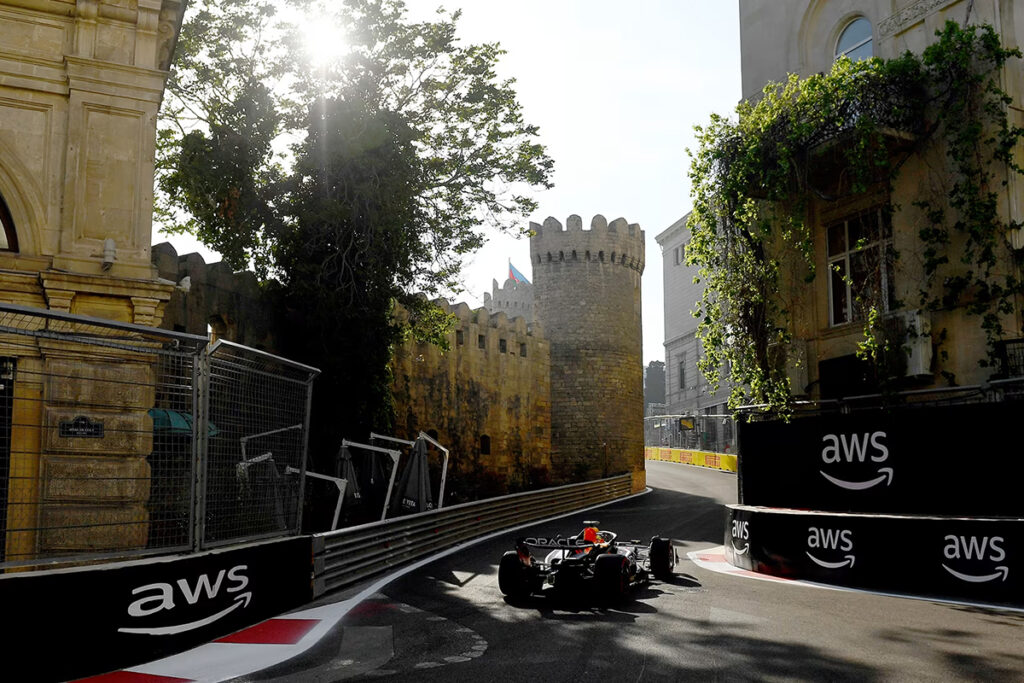
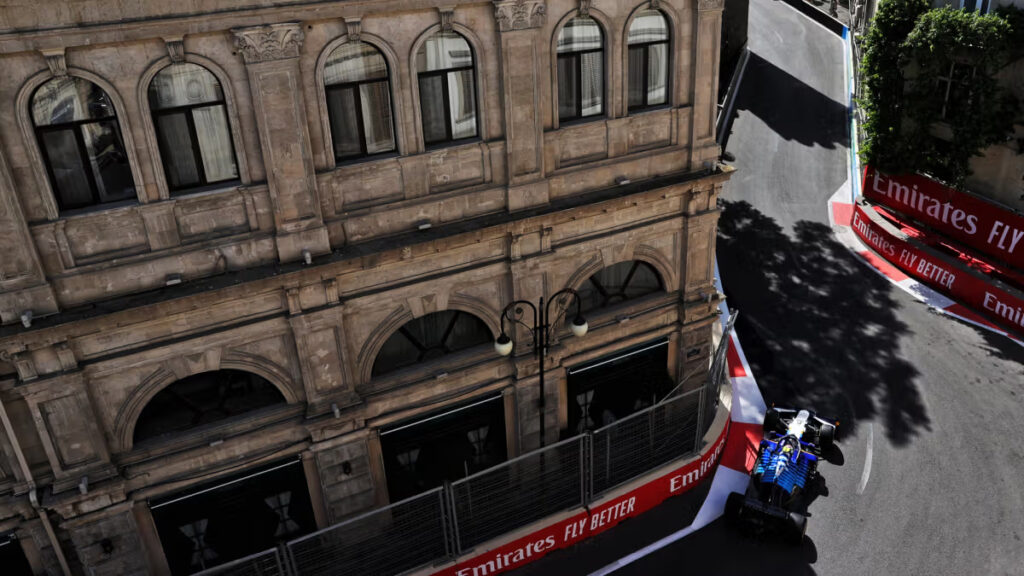
The Castle Section at the Baku City Circuit is one of the narrowest and most technically demanding parts of any Formula 1 track. Nestled within the old city walls of Baku, this sequence of corners—Turns 8 through 11—winds uphill past the historic Maiden Tower and through a medieval castle gate, combining tight angles, elevation changes, and minimal runoff.
Turn Type: Ultra-narrow uphill complex
Challenge: Tightest section in modern F1; medieval walls leave no room for error. One wrong move = race over.
At just over 7.6 meters wide, Turn 8 is the narrowest point on the F1 calendar, leaving no room for error. Precision is absolutely critical; even the smallest misjudgment in braking or steering can result in contact with the unforgiving barriers. Elevation changes between the corners add complexity, as grip levels shift under acceleration and braking. The tight left-right-left sequence forces drivers to manage throttle and steering delicately while avoiding wheelspin and understeer.
The section is infamous for crashes, most notably Charles Leclerc’s 2019 Q2 incident, where he hit the wall and famously called himself “stupid” over the radio. Due to its layout, the Castle Section is a no-go zone for overtaking, but it’s where races can be lost with a small mistake. It represents the perfect blend of modern F1 precision and old-world street circuit risk.
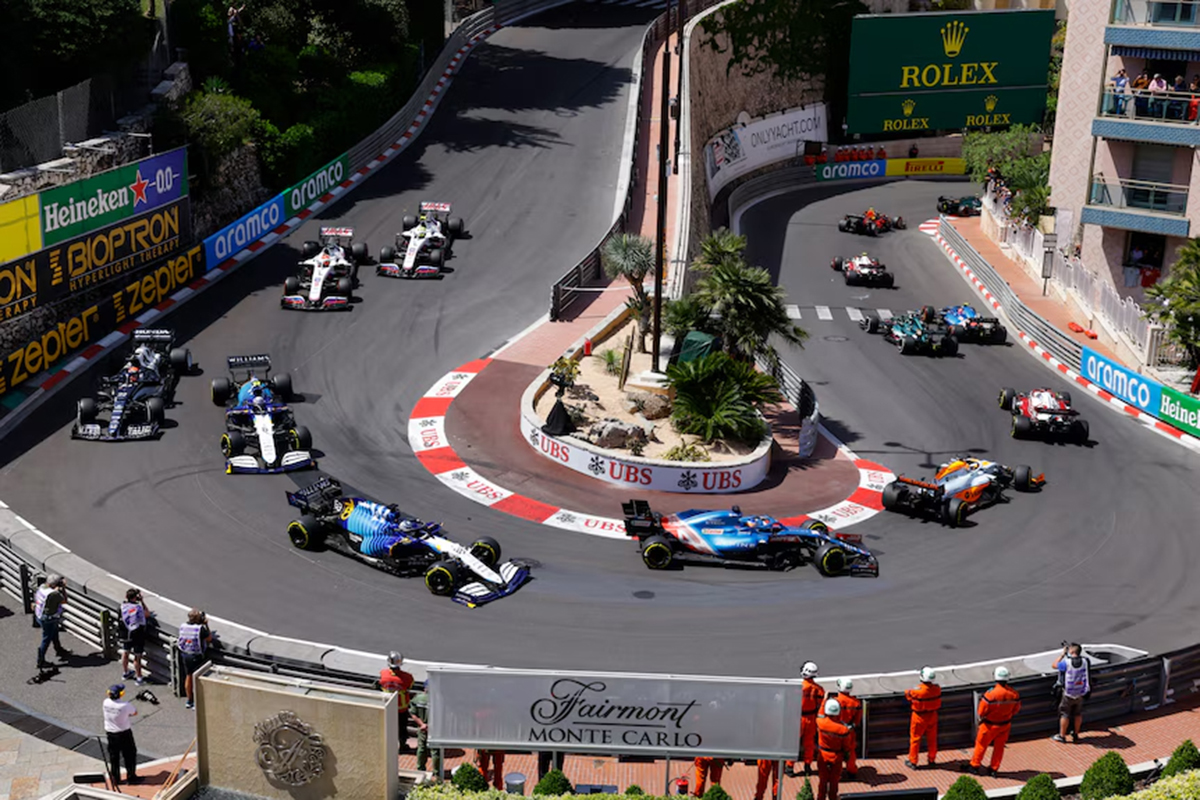
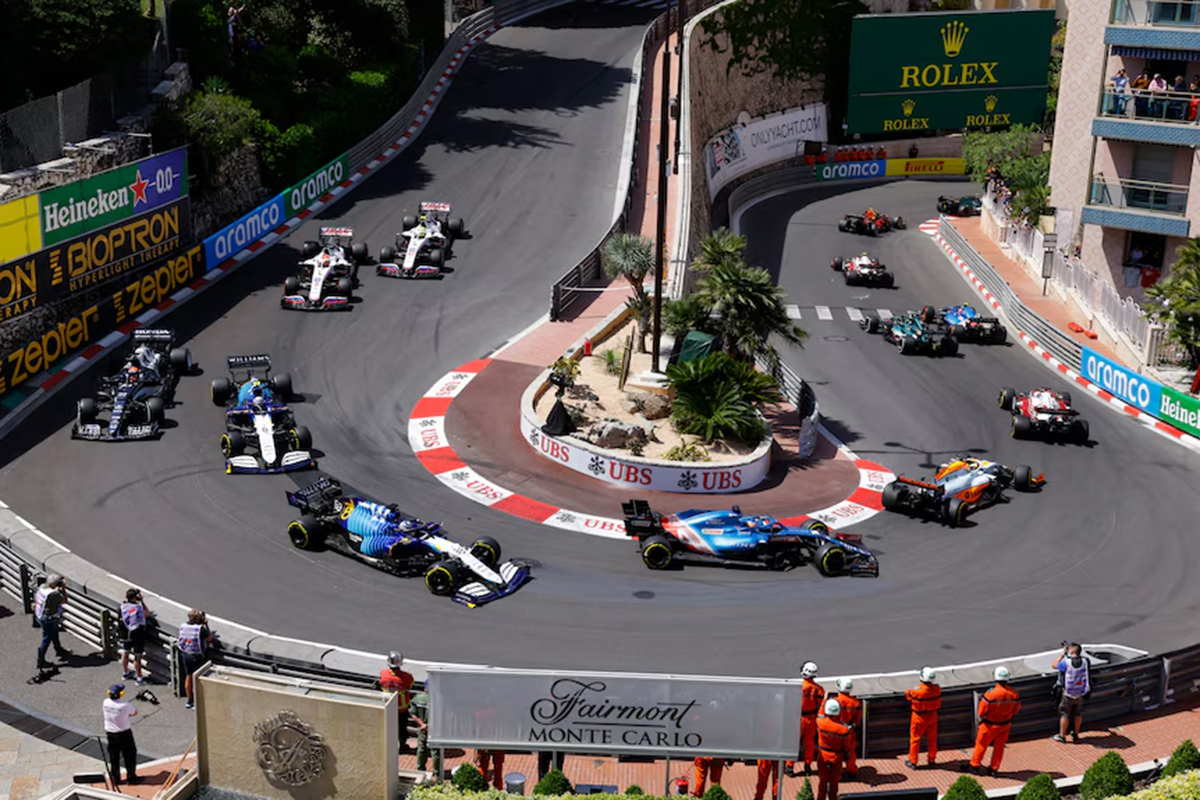
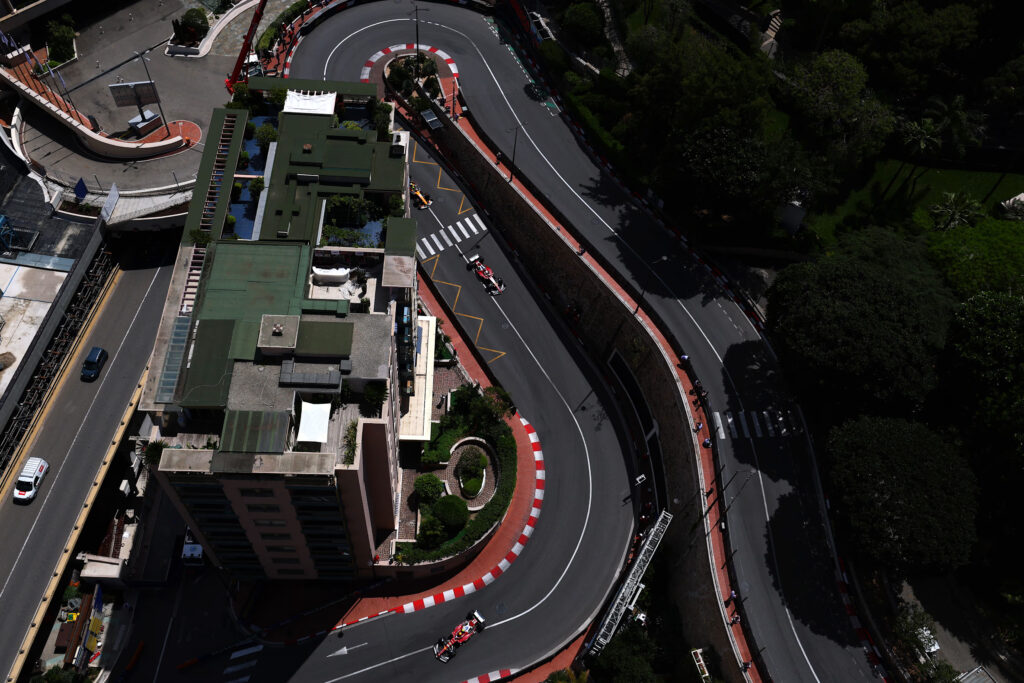
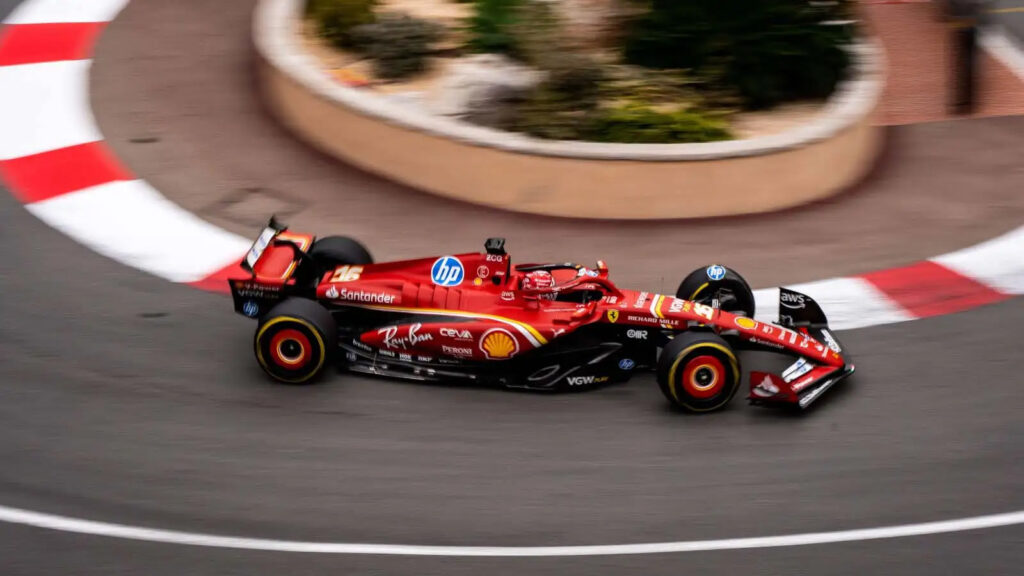
The Grand Hotel Hairpin (formerly known as the Loews Hairpin) is the most famous and slowest corner in Formula 1, taken at just around 40–50 km/h. Situated in the heart of Monte Carlo, this tight left-hand hairpin winds around the Fairmont Hotel and presents a unique challenge unmatched anywhere else on the F1 calendar. The corner demands full steering lock, precise throttle control, and extreme patience. Drivers often ride the curb with the inside front tire to help rotate the car, which is essential to make the sharp turn.
Turn Type: Very tight hairpin
Challenge: Requires maximum steering lock; ultra-slow with no margin for error.
What makes this hairpin so difficult is not just its geometry, but the environment. The cars are long, wide, and stiff, making it nearly impossible to navigate such a tight radius cleanly—especially in race traffic. The lack of runoff, the cambered surface, and the close proximity of barriers increase the risk of contact. Overtaking is rare and risky, often resulting in nose-to-tail contact or damage.
The corner is also a critical spot for race strategy and tire management. Drivers must balance aggression with caution, as mistakes can cause traffic jams or safety cars. Despite its low speed, the Grand Hotel Hairpin remains one of the most technically demanding and iconic turns in Formula 1.
Eau Rouge and Raidillon form one of the most iconic and challenging corner combinations in Formula 1. Located at the base of the Belgian Ardennes forest, this section begins with a steep downhill approach into Eau Rouge—a left-hand kink at the bottom of a valley—followed immediately by a sudden climb and sweeping right-left combination at Raidillon. What makes this sequence so difficult is the blend of extreme speed, elevation change, and blind apex. Drivers experience vertical and lateral G-forces as they compress at the bottom before launching uphill, unable to see the track over the crest.
Turn Type: Uphill S-bend
Challenge: High-speed compression and blind crest—flat out in modern F1 cars but still treacherous in the wet or with worn tires.
Taken flat-out in modern F1 cars under dry conditions, this section still demands absolute confidence, precision, and a perfectly balanced setup. A slight misjudgment in throttle or steering can lead to catastrophic crashes, as the runoff area remains limited due to the natural terrain. Eau Rouge & Raidillon also plays a strategic role in racecraft—any mistake here compromises speed onto the Kemmel Straight, leaving drivers vulnerable to overtakes. In wet or mixed conditions, the corner becomes even more treacherous, testing the very limits of driver skill and bravery. It remains a defining section of Spa and a symbol of F1’s raw challenge.